Residential Window Tinting
Professional residential window tinting services. Choose from a range of tint films to suit your needs. Call today for your free measure and quote.
Learn More →
Get Closeburn's top Home Window Tinting experts
Get a FREE Quote
Brisbane Northside Home Window Tinting provides expert services to Closeburn residents
Professional residential window tinting services. Choose from a range of tint films to suit your needs. Call today for your free measure and quote.
Learn More →
Professional commercial, industrial and office window tinting services. Choose from a range of tint films to suit your needs. Call today for your free measure and quote.
Learn More →
West and north-facing windows in Closeburn can push room temperatures up by 8–12°C on a 35-degree afternoon. We select ceramic and nano-ceramic films based on your window orientation and glass type — not just whatever's easiest to install. That means you get genuine heat reduction, not just a tint that looks good on the spec sheet.
Subtropical humidity is hard on adhesives. Cheap films bubble, delaminate, and go purple within a couple of years in this climate. We only use films with pressure-sensitive adhesive systems designed for high-humidity environments, backed by manufacturer warranties of 10–15 years on residential installations. Your floors, furniture, and artwork stay protected long-term.
Brisbane Northside Home Window Tinting runs out of Brisbane's northern suburbs. We're not dispatching crews from the south side who add a travel charge and squeeze your job between two others. Our technicians know the local housing stock — the Strathpine brick veneer, the North Lakes estate homes with large glazed facades, the older Chermside Queenslanders with louvred windows. That local knowledge changes how we approach each job.
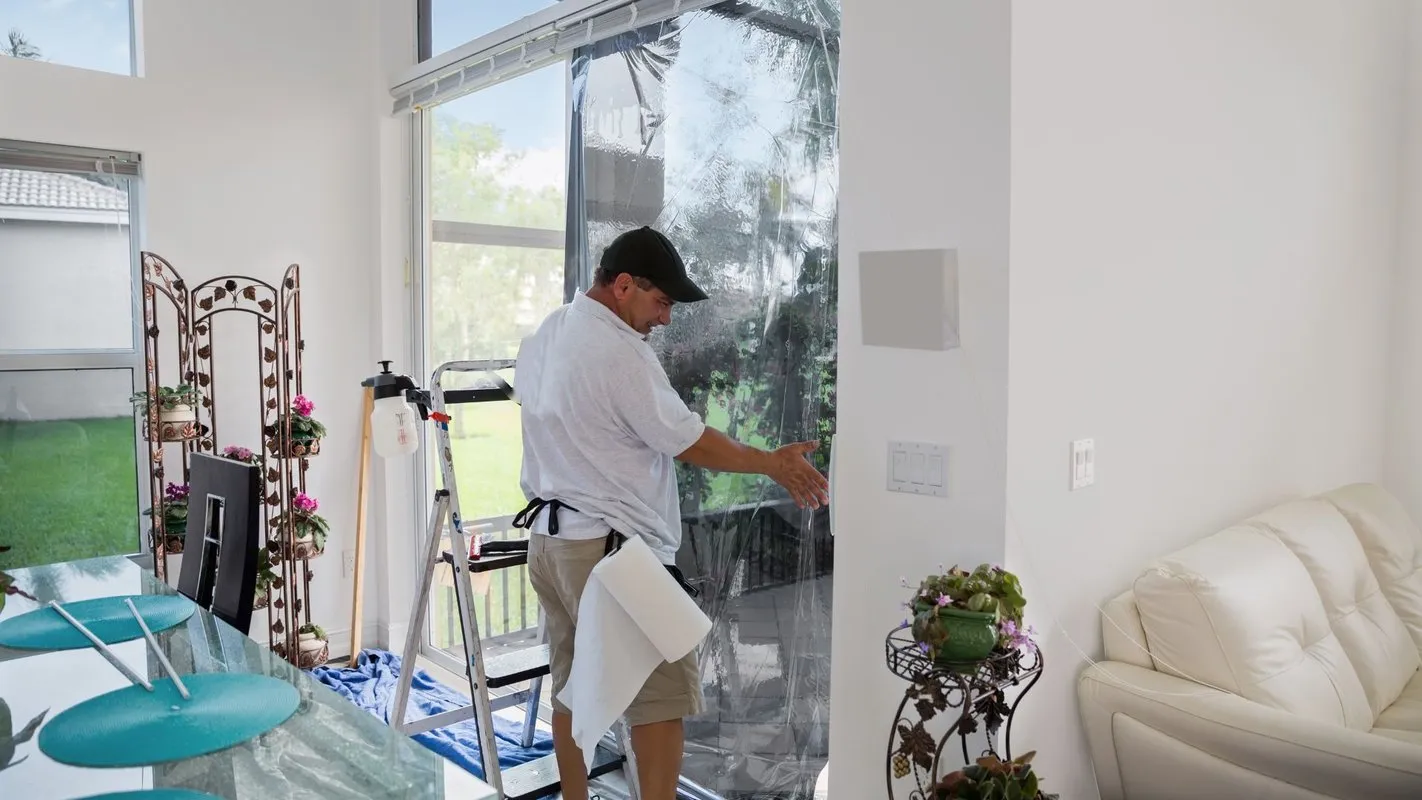
Window film installation is a wet process — we use a slip solution during fitting to position the film accurately before it bonds to the glass. A careless installer leaves residue on frames, sills, and floors. Our technicians mask off the surrounding area, work methodically across each pane, and do a full clean-up before leaving. You won't find squeegee marks or adhesive smears on your frames the next morning.
What our technicians actually do on the day — from glass assessment to final inspection
Before we quote or recommend any film, a technician visits your Closeburn home and assesses each window. We check glass thickness and type — single-pane, laminated, or IGU (double-glazed) — because certain high-rejection films can cause thermal stress cracking on older single-pane glass if the wrong product is used. We note which rooms get the worst heat and glare, and whether privacy or UV protection is the main concern. This takes 20–40 minutes depending on the size of the home.
Film only bonds cleanly to a contaminant-free surface. We clean each pane with a non-ammonia solution and a hard card scraper to remove any paint overspray, silicone residue, or mineral deposits — common on windows in Closeburn that cop heavy rain followed by dry spells. Any contamination left under the film shows up as bubbles or haze within weeks. This prep stage is where most DIY and budget installs go wrong.
We cut each film panel to the exact glass dimensions using a straight-edge and precision blade — typically leaving a 1–2mm gap from the frame edge to allow for expansion. The film is applied wet using a slip solution, then positioned and squeegeed from the centre outward to remove water and air. On larger panes — anything over 1.5m wide — this is a two-person process to avoid creasing the film during application.
Once the film is laid, we do a final pass with a hard card squeegee to remove residual moisture from under the film. Small water pockets visible immediately after installation are normal — they typically clear within 3–7 days as the adhesive cures, faster in Closeburn's warm weather. We wipe down all frames and glass edges, check for any lifting at the corners, and walk you through the film's care instructions before we leave.
Not with the right film. Modern ceramic and nano-ceramic films reject solar heat through infrared and UV blockage rather than simply blocking visible light. A film with 70 percent visible light transmission (VLT) looks nearly clear from inside but still rejects 40–50 percent of solar heat. We show you physical samples and explain the VLT rating before any film is selected, so you know exactly what you're getting. Rooms that currently feel like a greenhouse in summer often feel noticeably cooler without any visible darkening.
Yes, but film selection matters. Applying a high-rejection film to the inner pane of an IGU (insulated glass unit) can trap heat in the airspace between the panes, increasing thermal stress on the glass seals. For double-glazed windows, we recommend films specifically rated for IGU use — typically those with lower absorption rates. We check your window type during the site assessment and will tell you upfront if a particular product isn't suitable for your glass.
A typical three-bedroom home with 12–18 windows takes one full day, usually 6–8 hours on site. Larger homes or those with floor-to-ceiling glazing common in newer North Lakes and Mango Hill estates can run into a second day. We give you a realistic time estimate after the site assessment so you can plan around it. You don't need to vacate the home, but we do ask that pets are kept away from the work area.
Wait at least 30 days before cleaning the interior surface of tinted glass. The adhesive needs time to fully cure — especially in humid conditions where the cure can take slightly longer than in drier climates. After that, clean with a soft microfibre cloth and a mild, non-ammonia cleaner. Ammonia-based products like some glass cleaners break down the film adhesive over time and will void most manufacturer warranties.
Yes, and it's one of the most common reasons homeowners in Closeburn contact us. East-facing windows cause glare on screens in the morning, west-facing ones are brutal from about 2pm onwards. A film with a lower VLT — say 20–35 percent — on those specific windows cuts glare significantly without affecting the rest of the home. We can tint individual windows rather than the whole house if glare is the primary issue, which keeps the cost down and targets the problem directly.
Brisbane Northside Home Window Tinting helps Closeburn homeowners reduce heat and glare from the intense subtropical sun while protecting interiors from UV damage and fading. With Brisbane's high humidity and heavy rainfall, tinted windows also provide added privacy and security for homes across the Brisbane Northside, QLD region. The tinting process typically takes a few hours per window and creates an immediate difference in room temperature and comfort during the hot, humid months.